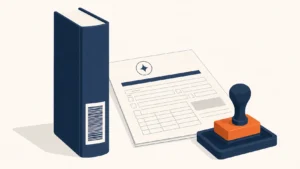
How to Get a Free ISBN in India, and What You Are Actually Paying For
An ISBN in India is free. Not discounted. Not subsidised. Free. It is issued by the Raja Rammohun Roy National Agency for ISBN, which sits

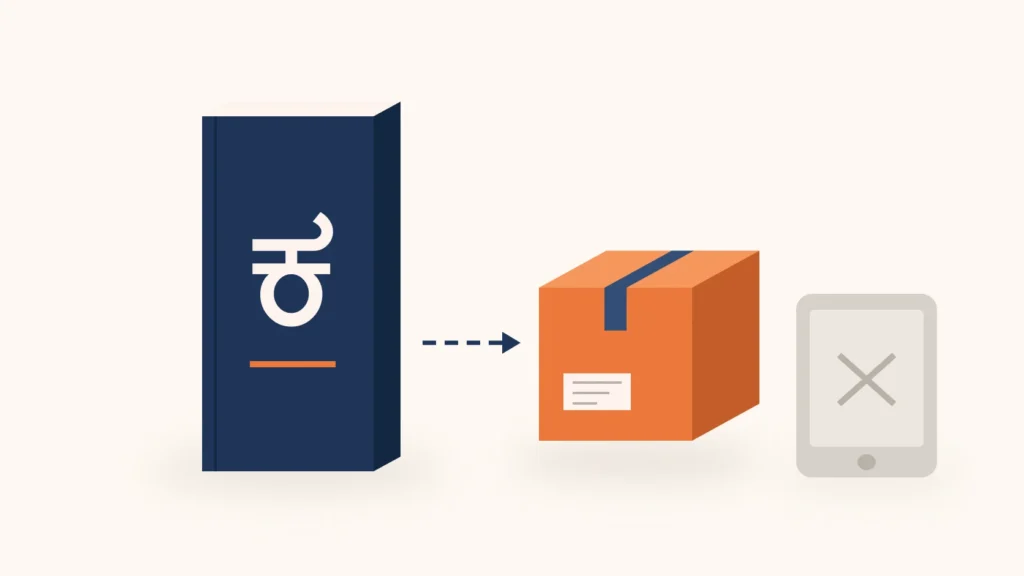
If you write in Kannada, you cannot publish a Kindle ebook in your own script.
Amazon KDP supports five Indian languages for ebooks: Hindi, Tamil, Malayalam, Marathi and Gujarati. That list is on KDP’s own supported languages page. Kannada is not on it. Neither is Telugu, Bengali, Punjabi, Odia or Urdu.
For a Kannada author writing for Kannada readers, that is the end of the Kindle route in the language the book is written in. Not a workaround, not a formatting problem. The platform does not accept the language.
The second half of this is the part that catches people out, and it has nothing to do with language at all.
KDP does not print or distribute paperbacks to Amazon.in. Their paperback and hardcover distribution rights page puts it plainly: amazon.com.br, amazon.com.in, and amazon.com.mx do not support paperback and hardcover distribution.
So even an English-language author using KDP print is not distributing a physical book to Indian readers through KDP. The Indian marketplace is simply not in the print distribution list.
You have, and they are real listings. They are third-party sellers importing copies printed in another marketplace and reselling them into India.
Look at the price on one of those listings and the mechanism explains itself. You are seeing an imported book with international shipping and a reseller margin baked into it. That is why a modest paperback can appear at a price no Indian reader is going to pay for an unknown author’s first book.
It also means you are not in control of that listing. You did not set the price, you are not the seller, and the availability is whatever the importer decides it is.
For an Indian author writing for Indian readers, KDP on its own is not a distribution plan. It can be one channel. It cannot be the channel.
Two separate gaps have to be filled:
Language. If you write in Kannada, Telugu, Bengali, Punjabi, Odia or Urdu, the Kindle ebook route in that script is closed. Your ebook options are elsewhere, or your book is print-first.
Print. Whatever language you write in, physical copies reaching Indian readers need a local print and distribution route. That means a printer, a listing you control, and a fulfilment arrangement that does not depend on someone importing your book.
The order in which authors discover this is what makes it costly.
Most people finish the manuscript first. Then they get it edited and typeset, because that is the part everyone talks about. Then they go to publish, and only at that point find out that the platform they had assumed would carry the book does not accept the language, or does not ship print to their country.
By then the file has been built for a specification that may not match the route actually available. Trim size, cover wrap, colour handling and page count are all decisions made against a printer. Making them twice is not a small rework.
The cheaper order is the reverse. Decide where the book physically has to reach a reader, then build the file for that route.
Before the editing quote, before the cover, before any of the enjoyable parts, answer this: in what language is the book written, and through which route does a physical or digital copy actually reach the reader you are writing for?
If the answer involves Kannada readers in Karnataka buying a paperback, KDP does not complete that sentence. Something else has to.
That is not an argument against Amazon. It is an argument for knowing what Amazon does and does not do in this market before you build your production plan on top of it.
On the money side, see why the 70 percent KDP royalty is not 70 percent in India. On the paperwork, see how to get a free ISBN in India. Our publishing packages cover the prepress work; printing is quoted separately.
An ISBN in India is free. Not discounted. Not subsidised. Free. It is issued by the Raja Rammohun Roy National Agency for ISBN, which sits
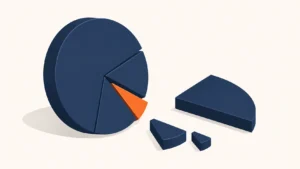
The 70 percent royalty on Amazon is not 70 percent. This is not a complaint about Amazon. It is what Amazon’s own pages say, and

Everyone talks about the joy of holding your published book for the first time. Nobody talks about the six months before that moment. I’ve worked

As a self-publishing company, we know firsthand the importance of writing. Without writing, there would be no books, no stories, and no content to engage